
Orange County 72-Hour Feed Status
Orange County does not publish a verified rolling list of releases from its detention center over the prior 72 hours. The Orange County Sheriff’s Office detention menu has Current Detainees and New Booking Photos, but no three-day release archive. A custom county records response is therefore the main local source for reconstructing the period. It should not be described as a live feed because the county produces it after a request.
The distinction prevents two common mistakes. First, web results for Orange County can point to government sites in California or Florida. Those lists do not cover Hillsborough or Chapel Hill. Second, the sheriff’s current report records present custody, not historical exits. It has no release timestamp or reason field.
The official sheriff detention menu shows the available local options and the lack of a release-list link.
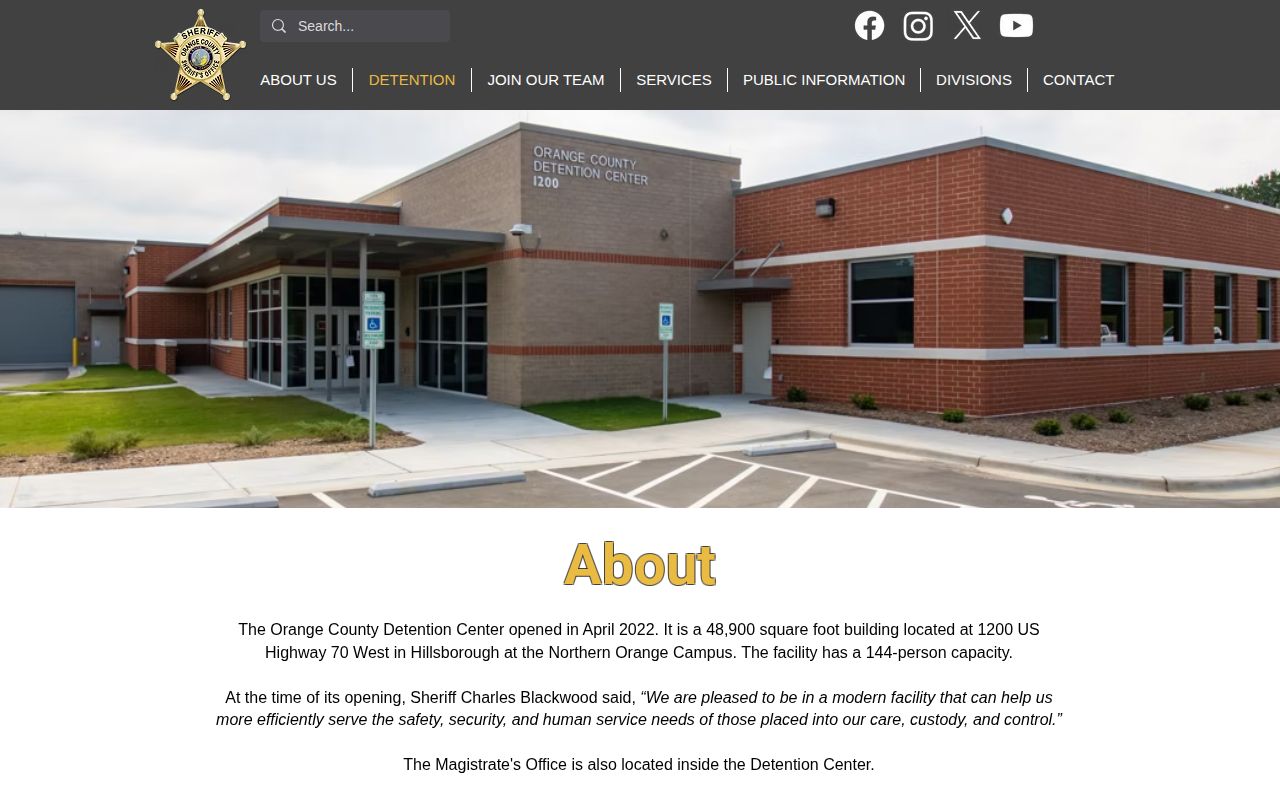
This menu supports the narrower conclusion that no distinct 72-hour product was identified. It does not prove that the underlying jail transactions are unavailable from the records custodian.
Build an Orange County 72-Hour List
A precise request starts with an exact beginning and ending time in Eastern Time. A phrase such as “over the weekend” can mean two days to one requester and four days to another when a holiday is involved. Give both endpoints and ask for every release transaction from the Orange County Detention Center in that interval. The county portal allows the requester to track the response and related messages.
- Choose the exact 72-hour interval and write both date-time endpoints in Eastern Time.
- Submit the interval through the Orange County online public-record request portal.
- Ask for names, booking numbers, booking and release times, release codes, and receiving agencies.
- Request definitions for any abbreviated release reason and all reasonably separable public fields.
- Compare each transaction with the court case, VINE event, or receiving agency named in the record.
Keep the request narrow. One weekend or one exact three-day period is easier to identify than an open-ended search for “recent” releases. Electronic delivery can reduce handling. If the portal response withholds a field, ask the county to cite the legal basis. North Carolina’s public-record framework allows field-specific limits, especially for protected identifiers and investigative material.
For immediate routing, the Orange County Detention Center number is 919-245-2940. It serves the county jail at 1200 US Highway 70 West, Hillsborough, NC 27278. No public hours for release-record inquiries were verified, so call before relying on an in-person visit.
Orange County 72-Hour Record Fields
There is no online Orange County 72-hour feed with a published set of columns. The useful field inventory comes from the jail record that should be requested for the full three-day range. Each row should identify a single booking episode and explain how that episode ended.
| Requested field | How to read it |
|---|---|
| Name and booking number | Match the event to one person and one county booking episode. |
| Booking timestamp | Shows when the local episode began, not when the case ended. |
| Release timestamp | Places the exit inside or outside the requested 72-hour interval. |
| Release type or authority | May distinguish bond, time served, a court order, transfer, or another reason. |
| Destination | Separates community release from continued custody with another agency. |
| Charge and case number | Provides the key for checking the legal result with the clerk. |
A multi-day list benefits from consistent fields. Without a booking number, two similar names may be merged. Without a destination, a transfer can look like release. Without a timestamp, there is no sound way to decide whether the event falls within the selected 72 hours. Ask the sheriff to define any local code instead of guessing from initials.
Orange County Weekend Release Checks
A three-day window is most useful when a single-day check would split related events. A person may receive a court order on one day while the jail completes the operational release on another. A holiday closure may also delay access to a clerk or records office even though jail operations continue. No verified Orange County policy sets one standard release hour, and no source promises that every event posts online on the day it occurs.
Use the jail timestamp for physical movement and the court record for judicial authority. The two answer different questions. A bond modification, dismissal, sentence, probation order, or other court event can explain why custody ended. The release transaction says when it ended and whether another agency took custody.
For a named person, search the North Carolina eCourts Portal or contact the Orange County Clerk of Superior Court. If a weekend period begins Friday evening and ends Monday evening, write those exact endpoints. Do not assume “weekend” automatically includes a preceding or following holiday.
Note: Processing and record access can cross calendar days, so anchor the search to the jail’s actual release time rather than the request date.
Orange County Release Court Records
The court file adds context that a release log does not carry. It may show charges, filing dates, bond changes, judgment, sentence, probation, dismissal, or later orders. Yet it will not usually provide the exact time a person passed out of jail custody. For that reason, a court disposition alone should not replace the sheriff’s release transaction.
The North Carolina Judicial Branch explains how to seek official copies through its court-record access instructions.
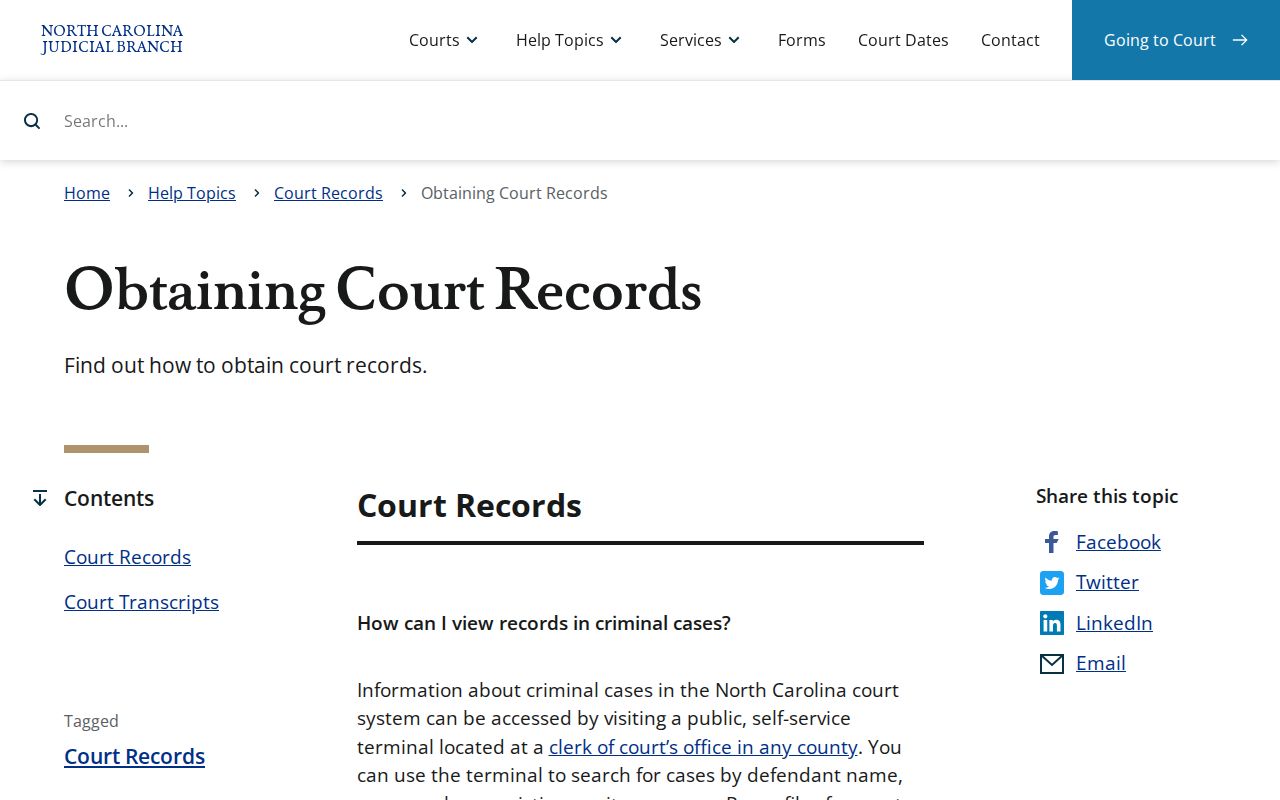
The clerk’s official copy controls when a remote portal result is incomplete. Use the defendant’s name and case number from the jail transaction, then verify that the court record concerns the same charge and booking period. Confidential, sealed, expunged, and juvenile material can be restricted.
Orange County Release Record Retention
The absence of a public three-day list does not mean the record vanishes after 72 hours. North Carolina’s county sheriff records schedule defines inmate-incarceration records to include entry and release summaries, arrest sheets, commitment and release orders, work-release records, and pretrial-release agreements. It authorizes destruction three years after release or transfer, subject to audit, litigation, and other holds.
That schedule concerns agency retention. It does not promise an online display period. Weekly lists may be destroyed once obsolete or replaced, while a specific booking and release record can remain with the agency. This is why a focused request by name, booking number, and date range remains useful after a weekend has passed.
The Orange County public-records policy describes local request handling.
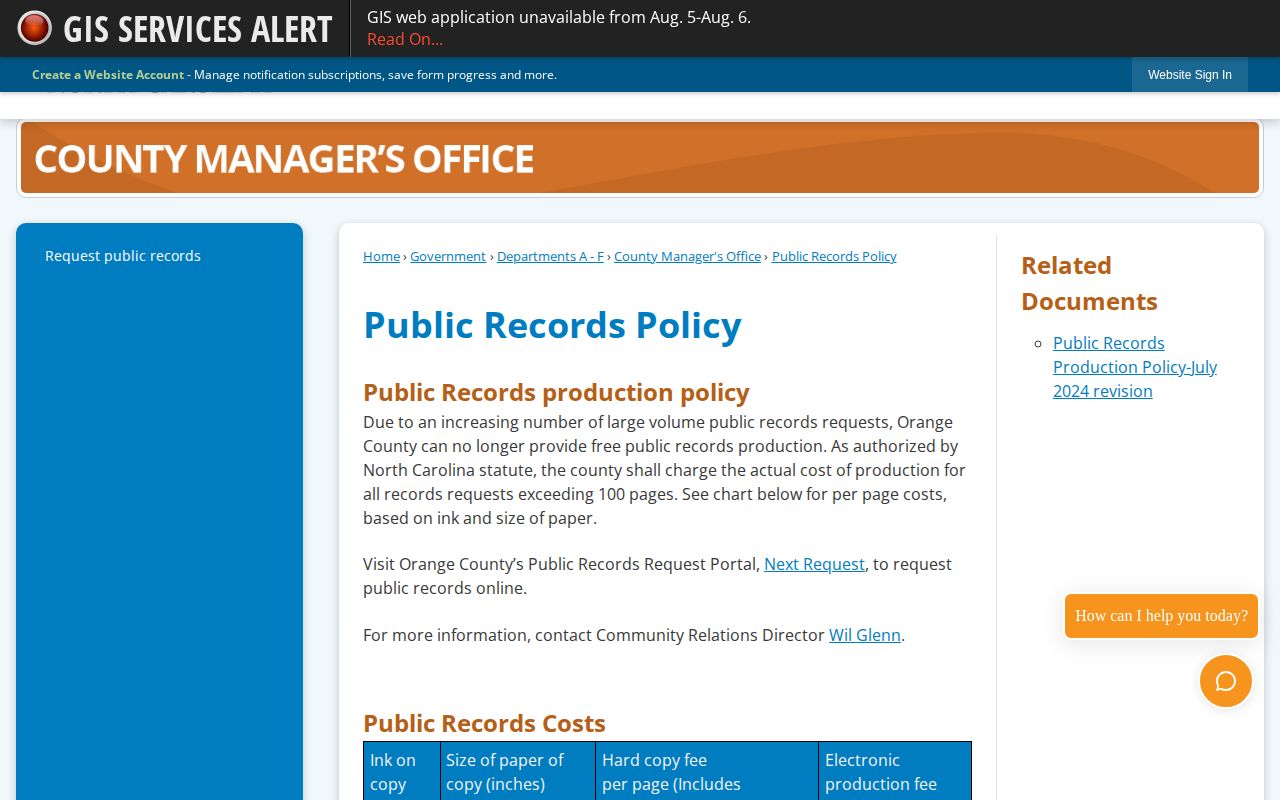
The policy page is the county source for access rules, not a released-person index. A request over a broad span may involve more retrieval and review than one exact 72-hour interval.
Orange County Three-Day Data Quirks
Orange County’s live detention report has two limits that matter more across a three-day reconstruction. First, its fields describe current custody and include no release date, release time, release reason, or photograph. Second, the report observed during research displayed a March 23, 2026 generation timestamp when accessed on July 30, 2026. A current page address did not guarantee a current attachment.
Check the date printed inside every report. If a person appears on one copy and disappears from a later one, that change still does not say where the person went. The confinement categories cover pretrial arrests, sentenced entries, holds, probation or parole violations, and out-of-county matters. Movement among agencies is plausible.
This local quirk makes the exact-time-window request the key Section 19 angle for both recent-release pages, but the 72-hour use is distinct. Here the request reconstructs a multi-day sequence and reconciles records produced on different days. The same-day page instead focuses on prompt verification of one day’s events.
Verify Orange County Release Routes
A complete 72-hour check follows each destination into the right system. Orange County jail records cover exits from the detention center. They do not prove that state, federal, or immigration custody ended. A person sent to Orange Correctional Center has left county jail custody but remains incarcerated in the NCDAC system.
| Record outcome | Next verification step |
|---|---|
| Bond, court order, or time served | Pair the jail release time with the Orange County court case. |
| Transfer to NCDAC | Search NCDAC Offender Public Information for status and movement history. |
| State prison release | Use NCDAC’s monthly Inmate Releases search or detailed offender record. |
| Transfer to another county | Contact or search the receiving county’s custody system. |
| Federal or immigration transfer | Use BOP, the federal court or USMS route, or ICE when supported by the case. |
| VINE event | Use it as a notice or status lead, then confirm with the source agency record. |
NCDAC’s separate monthly Inmate Releases search accepts a county, year, and month and shows offender number, name, release date, primary offense, and type of release. Orange is county code 68. It covers state correctional releases, not the sheriff’s jail releases. General OPI is the better route for older state history.
Use the 24-Hour Releases page for a tighter same-day interval. For one named person whose custody type is uncertain, start with the Orange County released-inmate search path and follow the custodian shown in the records.